
Area Rugs Explained: Style, Comfort, and Practical Benefits for Your Home
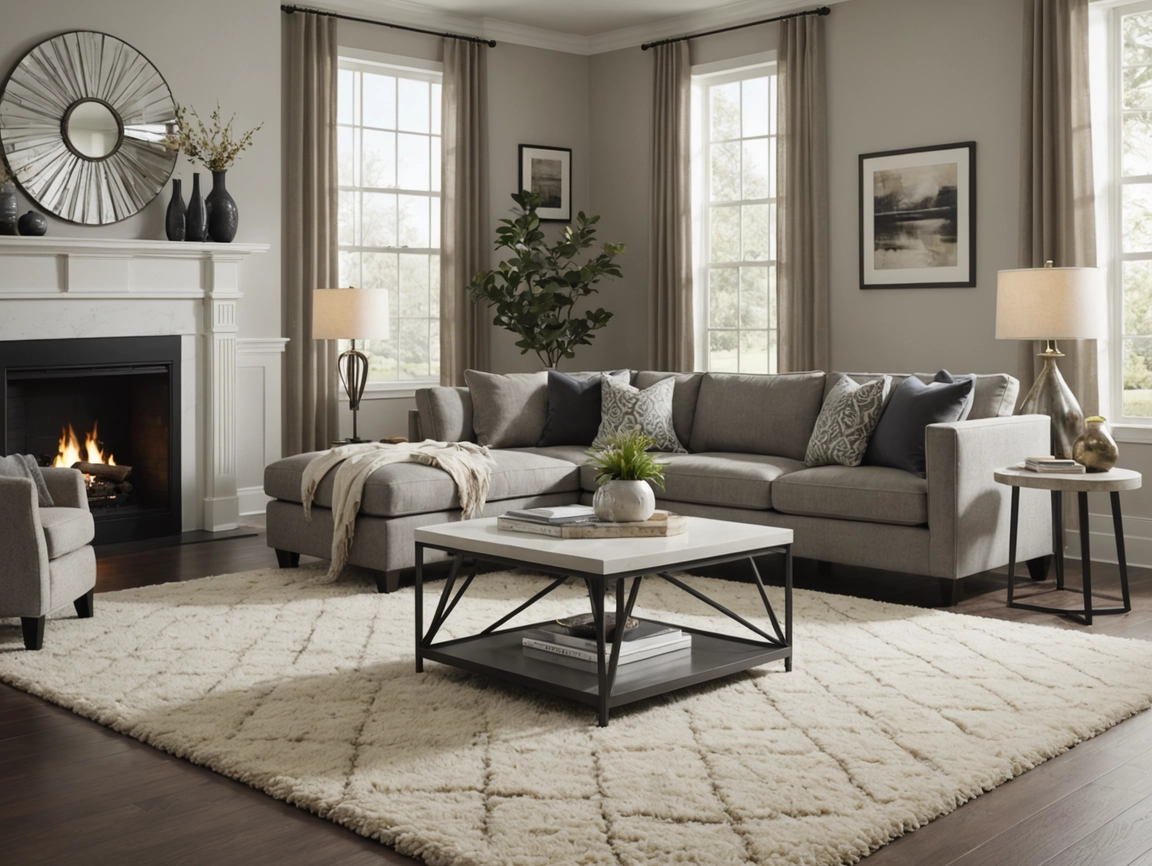 Floor coverings have evolved far beyond simple necessities. Today, area rugs play a central role in interior design, helping homeowners define spaces, add warmth, and express personal style. Whether placed in a cozy living room, under a dining table, or beside a bed, the right rug can instantly elevate a room’s look and feel. Designers often describe rugs as the “anchor” of a space because they visually tie furniture together while softening hard surfaces like hardwood, tile, or stone.
Beyond aesthetics, rugs offer practical benefits. They help reduce noise, provide insulation, and make everyday living more comfortable—especially in high-traffic areas. According to interior design research, layered floor coverings can significantly improve room acoustics by absorbing sound, creating a calmer and more inviting home environment. With the growing popularity of modern, traditional, and luxury interiors alike, understanding how to choose the right rug ensures your investment enhances both beauty and function for years to come.
 With proper care, area rugs can maintain their beauty for decades. Regular vacuuming removes dirt that can break down fibers, while rotating rugs every few months promotes even wear. In sunlit rooms, rotation also helps prevent uneven fading.
Professional cleaning is typically recommended every 12 to 18 months, depending on foot traffic. Flooring care organizations report that consistent maintenance can significantly extend a rug’s lifespan, making high-quality rugs a smart long-term investment. Well-maintained rugs not only enhance daily living but can also retain—or even increase—their value over time.