
How Flooring Choices Can Make Your Home Quieter
A Practical Guide from Boro Rug & Carpet Warehouse
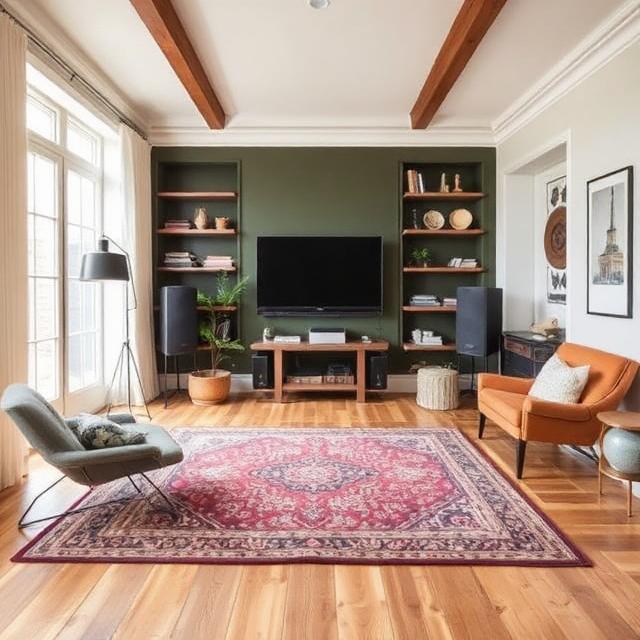
When people choose new flooring, they often focus on color, style, durability, and maintenance. But one important factor is often overlooked: sound.
Your flooring choice can greatly affect how quiet, comfortable, and peaceful a room feels. Hard floors can make sound bounce, while soft flooring can help absorb noise. This is why the right flooring can make a home feel calmer, warmer, and more enjoyable.
At Boro Rug & Carpet Warehouse, we help homeowners and businesses choose flooring that looks beautiful and supports the way each space is used. Whether you want a quieter bedroom, a more comfortable living room, or better sound control in an office or apartment, your flooring plays a major role.
Why Flooring Matters for Home Acoustics
Home acoustics refers to how sound behaves inside a room. Every footstep, conversation, television, chair movement, or pet noise interacts with the surfaces around it.
Floors are especially important because they cover a large surface area. The material under your feet can either absorb sound or reflect it.
Hard surfaces usually reflect sound. Soft surfaces usually absorb sound.
That means a room with tile, hardwood, or laminate may sound louder and more echoey, while a room with carpet or area rugs may feel quieter and more comfortable.
How Sound Moves Through a Room
Sound travels in waves. When those waves hit a hard surface, they bounce back into the room. This creates echo, sharp noise, and a sense that the room is louder than it really is.
When sound hits a softer surface, such as carpet, rugs, or padding, some of the sound energy is absorbed. This helps reduce echo and makes the room feel more balanced.
That is why flooring is one of the easiest ways to improve the sound quality of a room.
Simple Sound Difference Chart
Different flooring materials affect sound in different ways. Some floors absorb noise and make a room feel quieter, while others reflect sound and can make a space feel louder or more echoey.
Flooring Type
Sound Level
What It Feels Like
Best Tip
Carpet
Very Quiet
Softens footsteps, voices, and everyday noise
Best for bedrooms, stairs, offices, and apartments
Area Rugs
Quiet
Reduces echo and makes hard floors feel softer
Use a thick rug pad for better sound control
Vinyl Flooring
Moderate
Quieter than tile, but still reflects some sound
Add rugs in busy areas
Laminate Flooring
Moderate to Loud
Can sound hollow or sharp underfoot
Use acoustic underlayment and area rugs
Hardwood Flooring
Loud
Reflects sound and can create echo
Add large rugs, runners, and soft furniture
Tile and Stone
Very Loud
Hard surface creates strong echo and sharp noise
Use rugs or runners where possible
How Different Flooring Choices Influence Home Acoustics
Carpet: One of the Best Flooring Choices for Sound Control
Carpet is one of the most effective flooring options for reducing noise. Because it is soft and fibrous, carpet helps absorb sound instead of reflecting it.
Wall-to-wall carpet can reduce the sound of footsteps, voices, dropped objects, and everyday movement. It is especially useful in bedrooms, family rooms, apartments, offices, playrooms, and upstairs spaces.
Carpet also helps reduce impact noise. Impact noise is the sound created when something hits the floor, such as footsteps, furniture movement, or children playing.
For customers who want a quieter and more comfortable room, carpet is often one of the best choices.
Area Rugs: A Flexible Way to Improve Room Acoustics
Area rugs are a simple and stylish way to improve home acoustics without replacing the entire floor. They can be placed over hardwood, vinyl, laminate, or tile to help soften sound.
An area rug can reduce echo, absorb footstep noise, and make a room feel warmer and more comfortable. Adding a quality rug pad underneath can improve the sound-absorbing effect even more.
Area rugs are especially useful in:
- Living rooms
- Bedrooms
- Dining rooms
- Hallways
- Apartments
- Home offices
- Children’s rooms
- TV rooms
They are also a great option for renters or homeowners who want better acoustics without a permanent flooring change.
Hardwood Flooring: Beautiful but More Reflective
Hardwood flooring is timeless, elegant, and popular in many homes. However, because hardwood is a hard surface, it tends to reflect sound.
Rooms with hardwood floors may have more echo, especially if they also have high ceilings, bare walls, large windows, or minimal furniture.
This does not mean hardwood is a bad choice. It simply means you may need to balance it with soft materials. Area rugs, curtains, upholstered furniture, and rug pads can help reduce the sound reflection caused by hardwood flooring.
For homeowners who love the look of hardwood but want a quieter space, adding rugs is one of the easiest solutions.
Laminate Flooring: Durable but Can Sound Hollow
Laminate flooring is popular because it is affordable, durable, and available in many wood-look styles. However, laminate can sometimes sound louder or more hollow underfoot, especially if it is installed without quality underlayment.
Footsteps, pet nails, dropped items, and chair movement may sound sharper on laminate compared to carpet or rugs.
To improve acoustics with laminate flooring, consider using:
- Quality acoustic underlayment
- Area rugs
- Hallway runners
- Rug pads
- Furniture pads
These additions can help reduce noise and make the room feel more comfortable.
Vinyl Flooring: Practical and Quieter Than Some Hard Floors
Vinyl flooring is durable, water-resistant, and easy to maintain. Some vinyl flooring products are softer underfoot than tile or laminate, which can help reduce certain types of sound.
Luxury vinyl flooring can be a good option for kitchens, basements, bathrooms, offices, and busy households. However, because vinyl is still a hard surface, it may not absorb sound as well as carpet or rugs.
For better acoustics, vinyl flooring can be paired with area rugs, runners, and proper underlayment.
Tile and Stone: Durable but Highly Reflective
Tile and stone floors are strong, stylish, and easy to clean, but they are also among the most sound-reflective flooring choices. These surfaces can make rooms feel louder, especially in kitchens, bathrooms, entryways, and open spaces.
Sound can bounce easily off tile and stone, creating echo and sharper noise.
To soften the sound, use rugs or runners in areas where comfort and noise reduction matter. Even a small rug in an entryway or kitchen can help reduce the harshness of sound.
Best Flooring Choices for Quieter Rooms
Bedrooms
 Bedrooms should feel calm and peaceful. Carpet is one of the best options for reducing noise and creating comfort. If you prefer hardwood, laminate, or vinyl, adding a large area rug can help soften the room.
Best options:
- Wall-to-wall carpet
- Plush carpet
- Wool area rugs
- Large bedroom rugs with rug pads
Living Rooms
Living rooms often have conversations, television sound, foot traffic, and furniture movement. A large area rug can help absorb sound and make the space feel more inviting.
Best options:
- Area rugs
- Carpet
- Rug pads
- Soft flooring with upholstered furniture
Hallways and Stairs
Hallways and stairs can be noisy because they receive frequent foot traffic. Carpet runners are a smart choice for reducing noise and improving safety.
Best options:
- Stair runners
- Hallway runners
- Carpet
- Durable area rugs
Home Offices
Good acoustics matter in a home office, especially for phone calls, video meetings, and focus. Carpet or rugs can help reduce echo and make the room feel quieter.
Best options:
- Carpet
- Area rugs
- Rug pads
- Acoustic underlayment under hard flooring
Apartments and Multi-Level Homes
In apartments, condos, and upstairs rooms, flooring choices can affect both your comfort and the people below you. Soft flooring helps reduce impact noise from footsteps and movement.
Best options:
- Carpet
- Area rugs with thick rug pads
- Acoustic underlayment
- Stair and hallway runners
How to Improve Acoustics Without Replacing Your Floor
You do not always need a full flooring replacement to improve sound control. Small changes can make a big difference.
Add Area Rugs
Area rugs are one of the easiest ways to reduce echo and soften sound. Choose rugs that are large enough to cover major walking or seating areas.
Use Quality Rug Pads
A rug pad adds cushioning and helps absorb more impact noise. It can also keep the rug in place and protect the floor underneath.
Install Stair Runners
Stairs can create a lot of footstep noise. A stair runner helps reduce sound while also improving grip and comfort.
Use Hallway Runners
Long hallways often carry sound. A runner can help reduce noise from footsteps and make the space feel warmer.
Choose Thicker Carpet Padding
If you are installing carpet, do not overlook the padding. Quality carpet padding can improve comfort, durability, and sound absorption.
Combine Flooring with Soft Decor
Curtains, upholstered furniture, cushions, wall décor, and fabric accents can all help reduce echo. Flooring is important, but the entire room design affects acoustics.
Choosing Flooring Based on Your Sound Goals
Before selecting flooring, think about how the room will be used.
Ask yourself:
- Do I want the room to feel quiet and cozy?
- Is this a high-traffic area?
- Are there children or pets in the home?
- Is the room upstairs?
- Do I need to reduce footstep noise?
- Will the room be used for work, relaxing, or entertaining?
- Do I prefer soft flooring or hard flooring?
- Can I add rugs or runners if I choose a hard surface?
The best flooring choice depends on your lifestyle, design preferences, and sound-control needs.
Why Work with Boro Rug & Carpet Warehouse?
Boro Rug & Carpet Warehouse helps customers find flooring solutions that match both style and function. If you are trying to create a quieter, more comfortable space, their team can help you compare carpets, area rugs, runners, vinyl, laminate, hardwood, and other flooring options.
Customers choose Boro Rug because they offer:
- Carpet and flooring options for homes and businesses
- Area rugs and runners for sound control and style
- Flooring guidance based on room use
- Professional product knowledge
- Options for comfort, durability, and design
- Local service for Brooklyn and the greater NYC area
Whether you want a soft carpet for a bedroom, a stylish rug for a living room, or durable flooring for a busy space, Boro Rug can help you make the right choice.
Final Thoughts: Flooring Can Change the Way Your Home Sounds
Flooring choices influence home acoustics more than many people realize. Carpet and area rugs can make rooms quieter, softer, and more comfortable. Hard flooring like hardwood, tile, laminate, and vinyl can look beautiful, but they may need rugs, pads, or underlayment to reduce echo and footstep noise.
The right flooring can improve not only how a room looks, but also how it feels and sounds.
Visit Boro Rug & Carpet Warehouse to explore carpets, area rugs, runners, and flooring options that can help create a quieter, more comfortable home or business.
Flooring choices influence home acoustics by changing how sound behaves in a room. Hard floors reflect sound and can create echo, while soft floors like carpet and rugs absorb sound and help make a room quieter.
Carpet is one of the best flooring choices for reducing noise because it absorbs sound and softens footsteps. Area rugs with rug pads are also effective, especially when placed over hardwood, tile, vinyl, or laminate.
Yes. Area rugs help absorb sound, reduce echo, and soften footstep noise. They are a simple way to improve acoustics without replacing your existing flooring.
Yes. Carpet can make a room quieter by absorbing sound and reducing impact noise from footsteps, furniture movement, and dropped objects.
Hard floors are not bad, but they do reflect more sound than soft flooring. Hardwood, tile, laminate, and stone can make a room sound louder or more echoey if there are not enough soft materials in the space.
You can make hardwood floors quieter by adding area rugs, hallway runners, stair runners, rug pads, curtains, and upholstered furniture. These soft materials help absorb sound.
Laminate flooring can sometimes sound hollow or loud underfoot, especially without proper underlayment. Adding acoustic underlayment, area rugs, and rug pads can help reduce noise.
Vinyl flooring can be quieter than some hard surfaces, especially if it has a softer backing or is installed with quality underlayment. However, carpet and rugs usually provide better sound absorption.
Carpet, area rugs with thick rug pads, and acoustic underlayment are good choices for apartments because they help reduce footstep noise and improve comfort.
Yes. Rug pads add cushioning under area rugs, helping absorb impact noise and reduce movement. They also help protect the flooring underneath.
Carpet is a strong choice for bedrooms because it feels soft and helps reduce noise. If you prefer hard flooring, a large area rug with a rug pad can help make the room quieter and more comfortable.
Carpet or stair runners are good options for stairs because they reduce footstep noise, add comfort, and improve traction.