
Linoleum Flooring Made Simple: Natural & Durable
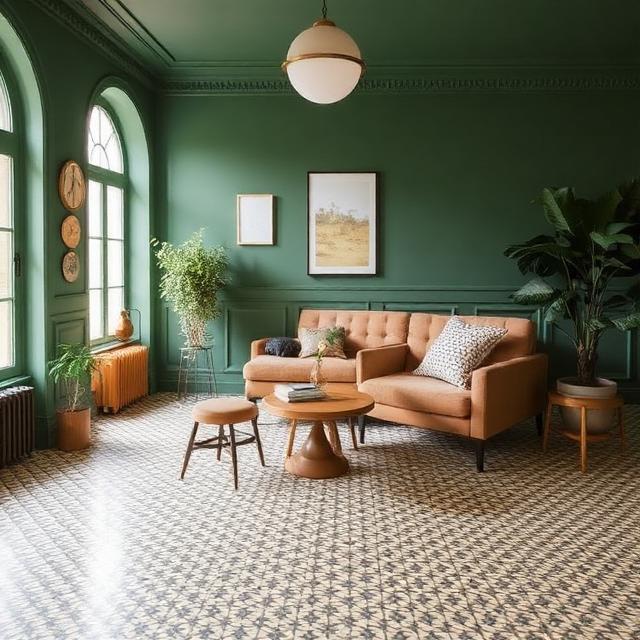 Sustainable materials are no longer optional in today’s flooring decisions—they are becoming a priority for homeowners, designers, and commercial property owners alike. Among the options gaining renewed attention is linoleum flooring, a surface known for its durability, eco-friendly composition, and timeless appeal. First introduced in the late 1800s, linoleum has proven that good design and smart materials can stand the test of time.
Modern consumers want floors that look good, perform well, and support healthier living environments. Linoleum meets these expectations by combining renewable raw materials with long-lasting performance. From residential kitchens to schools and healthcare facilities, this flooring solution continues to demonstrate reliability in spaces where durability and hygiene matter most. With updated colors, patterns, and finishes now available, linoleum is once again a relevant and stylish choice for contemporary interiors.
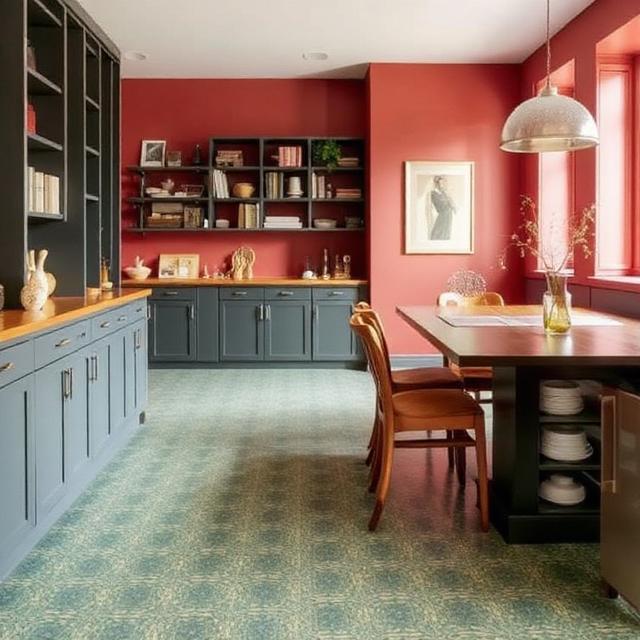 In everyday use, linoleum flooring delivers a balance of comfort and resilience that few hard surfaces can match. Its slightly cushioned structure makes standing and walking more comfortable, which is why it’s often used in kitchens, offices, and educational settings. The surface also helps absorb sound, reducing noise in busy households and shared spaces.
Design options have expanded significantly in recent years. Today’s linoleum floor styles range from subtle, neutral tones to bold, contemporary patterns. This flexibility allows designers to create cohesive looks across multiple rooms or introduce visual interest in commercial interiors. Unlike many synthetic surfaces, linoleum develops a gentle patina over time, enhancing its character rather than detracting from its appearance.