
Durable and Stylish Flooring: A Complete Buying Guide
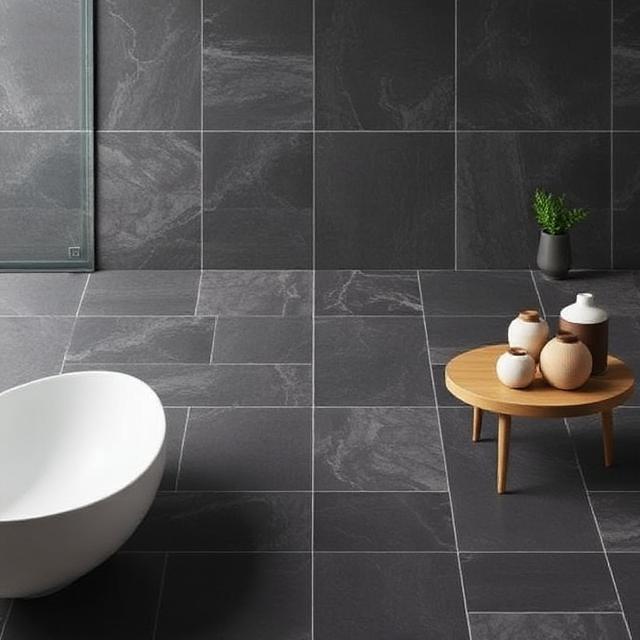 Imagine walking into a home where the floors not only catch your eye with their elegant patterns but also stand up to the daily grind of life. Tile flooring has become a go-to choice for homeowners seeking a blend of beauty, resilience, and ease. From bustling kitchens to serene bathrooms, this versatile option offers endless possibilities. Whether you’re renovating an old space or building anew, understanding what makes tile flooring so appealing can help you make informed decisions.
At its core, tile flooring refers to surfaces covered with individual pieces made from materials like clay, stone, or even synthetics. Its history dates back thousands of years, with ancient civilizations using it for both function and art. Today, it’s prized for its water resistance, making it ideal for areas prone to spills and humidity. According to market trends, the global ceramic tiles sector alone is projected to grow from $90.8 billion in 2026 to $130.13 billion by 2034, reflecting its rising popularity in residential and commercial spaces. This growth is driven by advancements in design and manufacturing, allowing for realistic wood-look porcelain floor tiles or intricate mosaic patterns.
But why choose tile over other options? It’s low-maintenance, hypoallergenic, and can increase home value. In fact, homes with updated kitchen floor tiles or bathroom floor tiles often see a quicker sale. As we dive deeper, we’ll explore types, installation, care, and design ideas to help you envision your perfect setup.
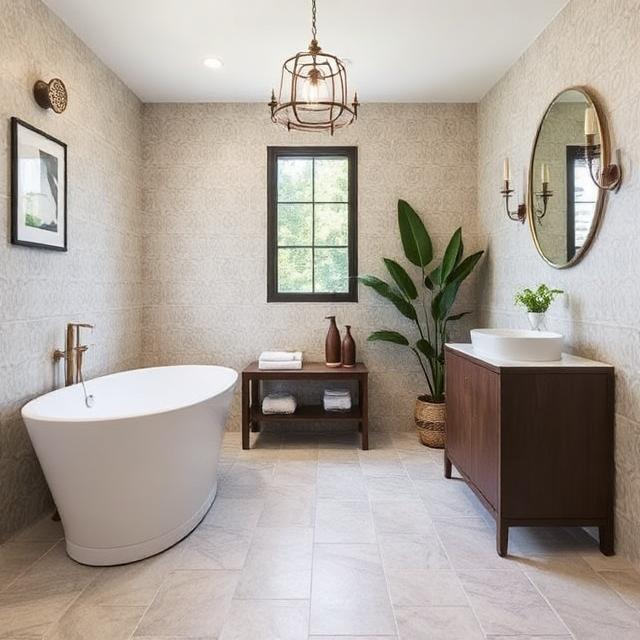 When it comes to selecting tile flooring, the variety can be overwhelming, but breaking it down by material helps. Each type has unique pros and cons, tailored to different needs and budgets.
Ceramic floor tiles are a popular entry point. Made from clay fired at high temperatures, they’re affordable and come in countless colors and styles. Pros include durability and ease of cleaning, but they can chip under heavy impact and feel cold underfoot. Ideal for moderate-traffic areas like hallways.
Porcelain tile flooring takes it up a notch. It’s denser and more water-resistant than ceramic, making it perfect for outdoor or high-moisture zones. The main advantages are its stain resistance and longevity—some installations last decades. However, it’s pricier and harder to cut during installation. Statistics show porcelain dominates the market, with the ceramic tiles industry (including porcelain) expected to hit $130.96 billion globally by 2025.
Vinyl tile flooring offers a budget-friendly alternative that mimics pricier materials. It’s soft, waterproof, and easy to install, but it may not hold up as well in extreme conditions and can off-gas chemicals initially. For a artistic touch, mosaic floor tiles—small pieces arranged in patterns—add flair to accents or borders, though they’re labor-intensive to lay.
Natural stone options like marble or slate provide a luxurious feel but require sealing to prevent stains. Weigh your lifestyle: families with kids might prefer resilient porcelain over delicate stone.
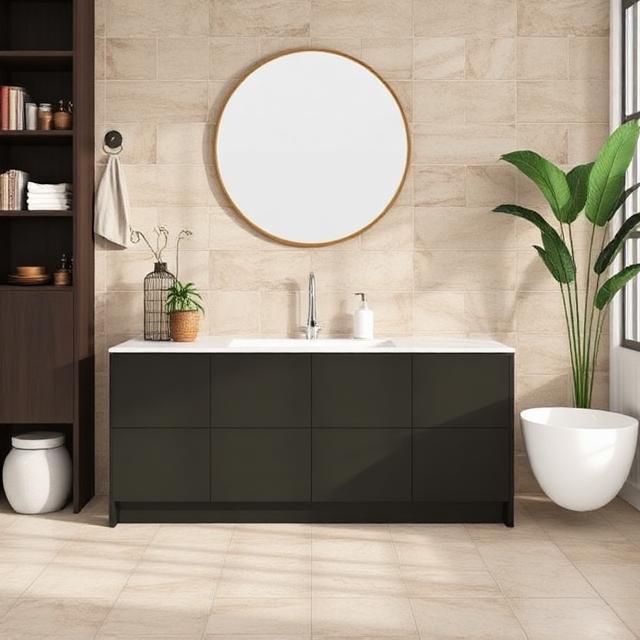 Tile flooring shines in design, transforming functional spaces into showpieces.
In kitchens, opt for large-format porcelain floor tiles in neutral tones for a seamless look. Wood-look designs blend warmth with durability, perfect for open-concept homes. Add personality with patterned kitchen floor tiles, like herringbone for a modern twist.
Bathrooms benefit from slip-resistant options. Mosaic floor tiles create spa-like vibes with pebble patterns or geometric motifs. For small spaces, light-colored bathroom floor tiles make rooms feel larger.
Mix sizes and shapes: Combine subway tiles on walls with hexagonal floor tiles for contrast. Trends lean toward sustainable materials, with eco-friendly ceramic tile flooring gaining traction.
Real-world example: A family in a humid climate chose porcelain for their kitchen, enjoying spill-proof surfaces during busy meals.